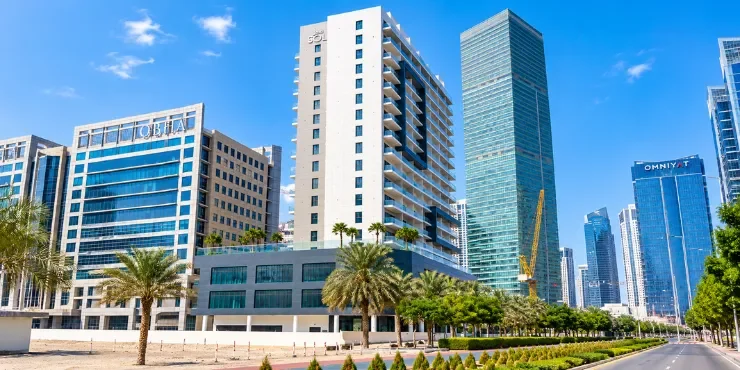
Why American Investors Are Buying Property in Dubai

Dubai is attracting attention from investors around the world, and American buyers are increasingly exploring what its real estate market has to offer. From contemporary city apartments and waterfront residences to spacious family homes and exciting off-plan developments, Dubai provides a diverse range of property opportunities for international investors. For Americans looking to expand their real estate portfolios beyond the United States, Dubai presents an opportunity to explore a globally connected city with modern infrastructure, an international business community and designated areas where foreign nationals can own freehold property. The city's range of residential developments also gives buyers flexibility to explore properties that align with different budgets, investment goals and preferred holding periods. Whether the objective is potential rental income, international portfolio diversification or long-term property ownership, understanding Dubai's market can help American investors identify opportunities that suit their plans.
Quick Answer: Why Are American Investors Buying Property in Dubai? American investors are exploring Dubai real estate for potential rental income, international portfolio diversification, access to designated freehold properties, a range of off-plan developments and exposure to a different property market. Dubai's infrastructure and international business environment also contribute to its appeal. However, property returns are not guaranteed, and US investors should evaluate all purchase and ownership costs, currency exposure, US tax reporting requirements and developer reliability before investing.
Top Reasons of American Investors Buying Property in Dubai
Dubai Offers Access to an International Real Estate Market
For American investors who already hold property in the United States, Dubai offers an opportunity to explore a different residential market and broaden their investment horizons. The city combines established residential neighbourhoods, emerging communities, waterfront developments and premium urban properties. This variety allows buyers to research opportunities based on their preferred property type, budget and investment objectives. Dubai's international business environment also attracts residents from different countries, supporting demand across a range of residential segments. For investors, this means there is more than one way to approach the market. Some may prefer a completed apartment in an established community, while others may be interested in a family townhouse or a new development with a longer investment horizon. The key is to identify a property whose location, price and potential rental performance match the investor's objectives.
Rental Income Potential Creates Opportunities
Rental income is an important consideration for investors researching Dubai property. The city's international workforce and diverse resident population create demand for different types of accommodation across its residential communities. Apartments near business districts and transport links may appeal to professionals, while townhouses and villas can attract families looking for more living space. American investors can compare properties according to their expected rental income, purchase price and ongoing ownership expenses. For example, a property purchased for AED 1.5 million and generating AED 90,000 in annual rent would have a gross rental yield of 6%, before operating expenses, taxes and other costs. This illustrates how rental performance can be assessed, although actual rents and yields vary by property and market conditions. A thoughtful investment strategy considers the full picture: tenant demand, service charges, property management, maintenance and potential vacancy periods. This helps investors focus on sustainable income potential rather than headline figures alone.
Find the Right Property in Dubai
Dubai's Business Environment Supports International Investment
Dubai has developed into an international centre for business, trade, tourism and professional services. Its connections with markets across Europe, Asia, the Middle East and the Americas make it relevant to investors with global interests. This international environment is one reason American buyers may consider Dubai for real estate investment, particularly if they already have professional, commercial or personal connections to the region. The city's business activity, infrastructure and residential development also provide several factors to examine when evaluating local housing demand. Investors should consider how a property's location connects to employment centres, transport networks and everyday amenities. These practical details can help identify homes that appeal to the intended tenant market.
Foreign Buyers Can Own Freehold Property in Designated Areas
Dubai provides foreign nationals, including Americans, with opportunities to purchase freehold property in designated areas, subject to the applicable ownership and registration rules. For international buyers, this provides a route to owning qualifying residential real estate rather than limiting their choices to rental accommodation. The available options include different property types and communities, allowing buyers to compare opportunities according to their budgets and long-term plans. Before purchasing, investors should verify the property's ownership status, review the sale agreement and confirm the registration process with the relevant authorities. Professional assistance can help buyers understand the documentation and procedures involved, particularly when completing a transaction from overseas.
Off-Plan Developments Offer Another Route Into the Market
Off-plan property is an important part of Dubai's residential landscape. These properties are purchased before construction is complete, and some developers offer payment plans linked to agreed milestones. For American investors, this may create an opportunity to plan payments over a period of time and explore new residential communities with contemporary layouts and planned amenities. The appeal of an off-plan apartments depends on the individual project, its location, pricing and the developer's delivery record. Before investing, buyers should review the project registration, contractual terms, applicable escrow arrangements, payment schedule and anticipated handover timeline. Comparing the purchase price with similar completed properties can also help establish whether the opportunity fits their investment strategy.
Modern Communities Offer Long-Term Appeal
Dubai's residential communities offer a combination of contemporary architecture, landscaped spaces, retail facilities, recreational amenities and access to essential services. Depending on the neighbourhood, residents may benefit from proximity to business districts, schools, healthcare facilities, parks and transport links. For investors, these characteristics provide useful criteria when assessing the appeal of a particular property to prospective tenants. Rather than focusing only on a building's appearance, buyers should consider how the surrounding community supports everyday living. Location, building management, access to amenities and the quality of the development can all influence tenant interest and the property's longer-term appeal.
Dubai Can Complement an American Investor's Existing Portfolio
Investors who already own assets in the United States may explore Dubai real estate as a way to add international property exposure to their portfolios. This creates an opportunity to evaluate another housing market, another tenant base and a different set of residential investment options. The decision should be based on the investor's broader financial position, including existing property holdings, available capital, liquidity needs and preferred investment horizon. American buyers should also account for US tax obligations on applicable foreign income and property gains. Speaking with a qualified tax professional can help clarify how overseas property fits into their wider financial strategy.
Long-Term Ownership Can Support a Strategic Investment Plan
Some buyers approach Dubai property with a long-term perspective, looking to generate rental income while retaining the potential to benefit from future changes in property values. Capital appreciation depends on factors such as purchase price, neighbourhood development, infrastructure, supply and demand, property quality and wider market conditions. While future growth cannot be guaranteed, investors can improve their decision-making by researching comparable transactions, evaluating local rental demand and choosing a property that meets a clear investment objective. A well-defined holding strategy should also consider maintenance expenses, rental management and the possibility of different market conditions over time.
How American Investors Can Get Started
A structured approach can make the buying process easier to navigate. 1. Define your objective: Decide whether rental income, long-term ownership or future personal use is your priority. 2. Set your budget: Include the purchase price, applicable transaction fees and ongoing expenses. 3. Explore suitable communities: Compare locations, amenities, rental demand and available property types. 4. Review individual projects: Assess property specifications, pricing, developer credentials and payment terms. 5. Arrange professional guidance: Obtain appropriate legal, property and US tax advice. 6. Plan for ownership: Decide how the property will be managed and how rental income and expenses will be tracked. With a clear strategy, American buyers can focus their search on properties that match their investment goals and financial circumstances.
Conclusion
Dubai offers American investors an opportunity to explore an international real estate market with diverse residential properties, modern communities and potential rental income opportunities. From completed apartments to new developments, buyers can research options that align with their preferred investment strategy, available capital and long-term plans. The city's dollar-pegged currency and established property registration framework also provide useful considerations for US-based buyers evaluating an overseas purchase. The most effective approach is to combine a positive investment outlook with careful property selection, realistic financial planning and professional guidance. Ready to explore Dubai real estate? Connect with Trixis Homes to discover available properties, compare residential communities and identify opportunities aligned with your investment goals.
Frequently Asked Questions
Can Americans buy property in Dubai?+
Yes. Americans can purchase eligible property in Dubai, including freehold property in designated areas, subject to the applicable ownership and registration requirements.
Why are American investors interested in Dubai real estate in 2026?+
Dubai's international business environment, range of residential developments, potential rental income and opportunities for overseas property ownership are among the reasons US buyers explore the market.
Can Americans earn rental income from Dubai property?+
Yes. Eligible property owners can rent out their properties subject to applicable rules and agreements. Actual rental income depends on the location, property type, tenant demand and operating expenses.
Is off-plan property worth considering for American buyers?+
Off-plan developments may appeal to buyers interested in new properties and staged payment arrangements. The decision should take into account the developer's record, project registration, contractual terms and expected completion timeline.
Do Americans need to consider US taxes on Dubai property?+
Yes. US citizens and US tax residents generally need to consider applicable US tax and reporting rules for foreign rental income and property transactions. A qualified tax adviser can explain the requirements for an individual's circumstances.
How can American investors manage property in Dubai remotely?+
Investors can appoint local property managers to assist with tenant communication, rent collection, maintenance and inspections. Reviewing the management agreement and reporting arrangements helps establish clear expectations.