
Complete Guide to Buying Property in Dubai 2026
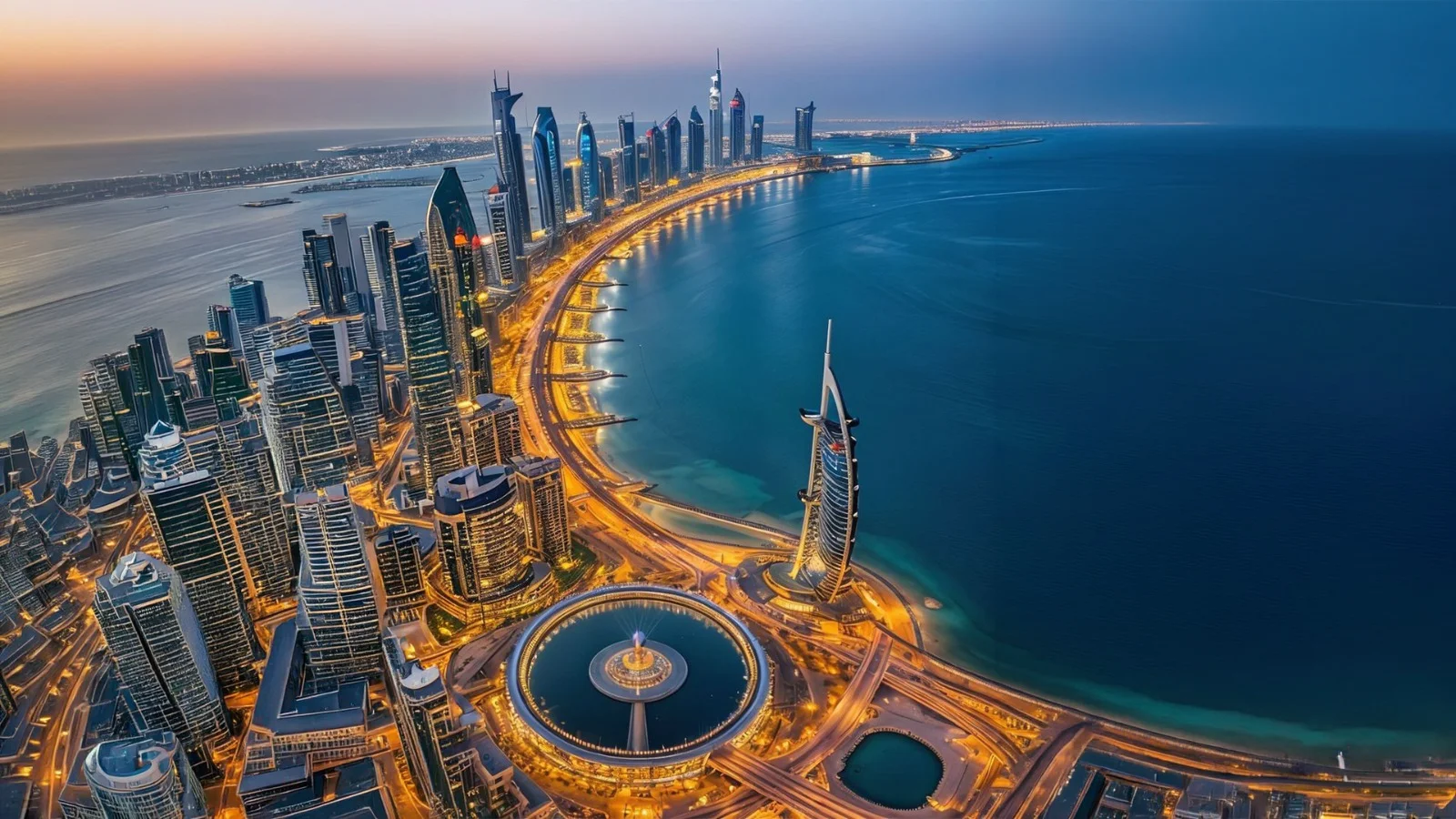
Buying property in Dubai in 2026 is one of the most accessible paths to real estate ownership in a global city, whether you are a first time investor or an experienced buyer looking to expand your portfolio. With no annual property tax, no capital gains tax, and a market that recorded AED 176.7 billion in transactions in the first quarter of 2026 alone, Dubai continues to attract buyers from around the world. This guide walks you through everything you need to know about buying property in Dubai in 2026, from choosing a location to understanding fees and the Golden Visa pathway.
Why Buy Property in Dubai in 2026
Dubai's property market has shown consistent strength heading into 2026. Foreign investment in Dubai real estate rose 26% year on year to AED 148.35 billion in Q1 2026, and residential mortgage transactions grew 16.1% over the same period, signaling strong buyer confidence. Average property prices are expected to rise between 5% and 8% across the year, with off plan and ready properties both showing steady demand. Beyond the numbers, Dubai offers practical advantages that are hard to match elsewhere. The city has zero income tax, zero capital gains tax, and a transparent freehold ownership system in designated zones. Add to that a growing population, expanding infrastructure, and the government's D33 economic vision aiming to double the emirate's economy by 2033, and you have a market with genuine long term fundamentals, not just short term hype.
Freehold vs Leasehold: Know Where You Can Buy
Before searching for a property, it is important to understand Dubai's ownership zones. Freehold areas allow full foreign ownership of the property and land, while leasehold arrangements typically grant usage rights for a fixed term, often up to 99 years, without land ownership. Popular freehold zones include Dubai Marina, Downtown Dubai, Business Bay, Jumeirah Village Circle, Dubai Hills Estate, Palm Jumeirah, and Dubai South. If full ownership matters to you, confirm the freehold status of any property before signing an agreement.
Off Plan vs Ready Property: Which Should You Choose
One of the biggest decisions when buying property in Dubai is choosing between an off plan project and a ready property. Off plan properties are purchased directly from a developer before or during construction. They typically come with lower entry prices, flexible payment plans, and the potential for capital appreciation as the project nears completion. Off plan sales accounted for roughly 72% of all residential transactions in Dubai during Q1 2026, making it the dominant segment of the market. Ready properties suit buyers who want to move in immediately or start earning rental income right away. They come with a shorter buying process and let you inspect the finished unit before committing, but generally at a higher price point than an equivalent off plan unit at launch. Your choice should depend on your goals. If you are investing for long term capital growth and can wait through a construction timeline, off plan may offer better returns. If you want immediate use or rental income, a ready property is the more straightforward option.
Step by Step: How to Buy Property in Dubai
- Define your budget and goals. Decide whether you are buying to live in, rent out, or hold for appreciation. This shapes which areas and property types suit you best.
- Choose your location and property type. Research freehold zones that match your budget and lifestyle needs, whether that is a waterfront apartment, a family villa, or a townhouse in a master planned community.
- Work with a RERA licensed agent. All real estate agents in Dubai must be registered with the Real Estate Regulatory Agency. Working with a licensed agent protects you from fraud and ensures the transaction follows proper legal channels.
- Sign the Sales and Purchase Agreement (SPA). Once you have selected a property, you and the seller or developer sign an SPA outlining the price, payment schedule, and handover terms.
- Pay the deposit and transfer funds. Ready property purchases typically require a deposit followed by the balance at transfer. Off plan purchases follow the developer's payment plan, which can be spread across the construction period.
- Register with the Dubai Land Department (DLD). All property transactions must be registered with the DLD. Off plan purchases are registered under the Oqood system until handover, at which point the Title Deed is issued.
- Receive your Title Deed. Once registration is complete and full payment has been made, you receive the official Title Deed confirming your ownership.
Understanding the Costs of Buying Property in Dubai
Budgeting for property in Dubai means accounting for more than just the purchase price. Typical costs include: DLD registration fee: 4% of the property value Agent commission: Typically 2% of the property value Legal and notary fees: Approximately AED 2,000 to 3,000 Property inspection fee: Approximately AED 500 to 1,000 Mortgage registration fee (if financing): Around 0.25% of the loan amount, where applicable As a rule of thumb, budget an additional 6 to 8% on top of the property price to cover these transaction costs.
The Golden Visa: A Major Incentive for Buyers
One of the strongest draws for property buyers in Dubai in 2026 is the UAE Golden Visa. Buyers who purchase property worth AED 2 million or more, based on the DLD certified value, can qualify for a 10 year renewable residency visa. This can be achieved through a single property or multiple properties combined under one owner's name. Recent updates have made the process faster and more flexible. The previous requirement to pay 50% of the property value upfront on mortgaged properties has been removed, and a bank guarantee can now be used instead. Off plan properties also qualify, provided they are purchased from an approved developer and registered through the Oqood system. Processing through the DLD's Golden Visa service typically takes two to four weeks once a complete application is submitted. The Golden Visa allows holders to sponsor a spouse, children, and parents, with no minimum stay requirement in the UAE, making it one of the most flexible residency by investment programs available globally.
Conclusion
Buying property in Dubai in 2026 offers a combination of strong market fundamentals, tax free ownership benefits, and a clear regulatory framework through the Dubai Land Department. Whether you choose an off plan project for long term growth or a ready property for immediate use, taking the time to understand freehold zones, transaction costs, and the Golden Visa pathway will help you make a confident, well informed investment. If you are ready to start exploring properties or want guidance on which area and payment structure fits your goals, working with a knowledgeable local team can make the entire process significantly smoother.